On the headland, Cornwall
SALTERN
Twelve seats above the water. One sitting a night. A menu written at low water and cooked at the flood.
Chapter II · Low water
What the tide leaves
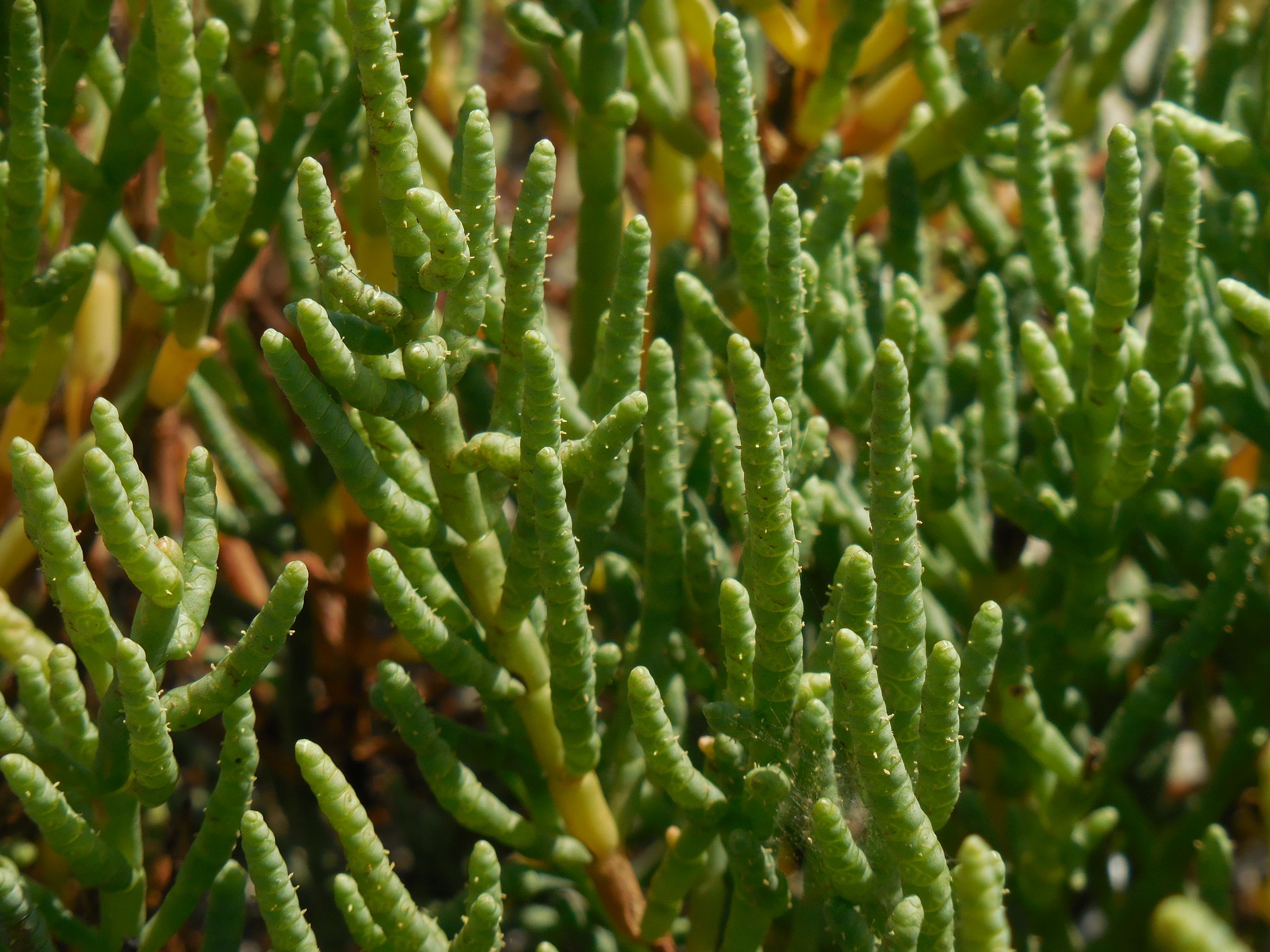
The menu is not written in the kitchen. It is written on the shore at first light, from what the ebb has left behind and what the beds below the house give up.
 01
01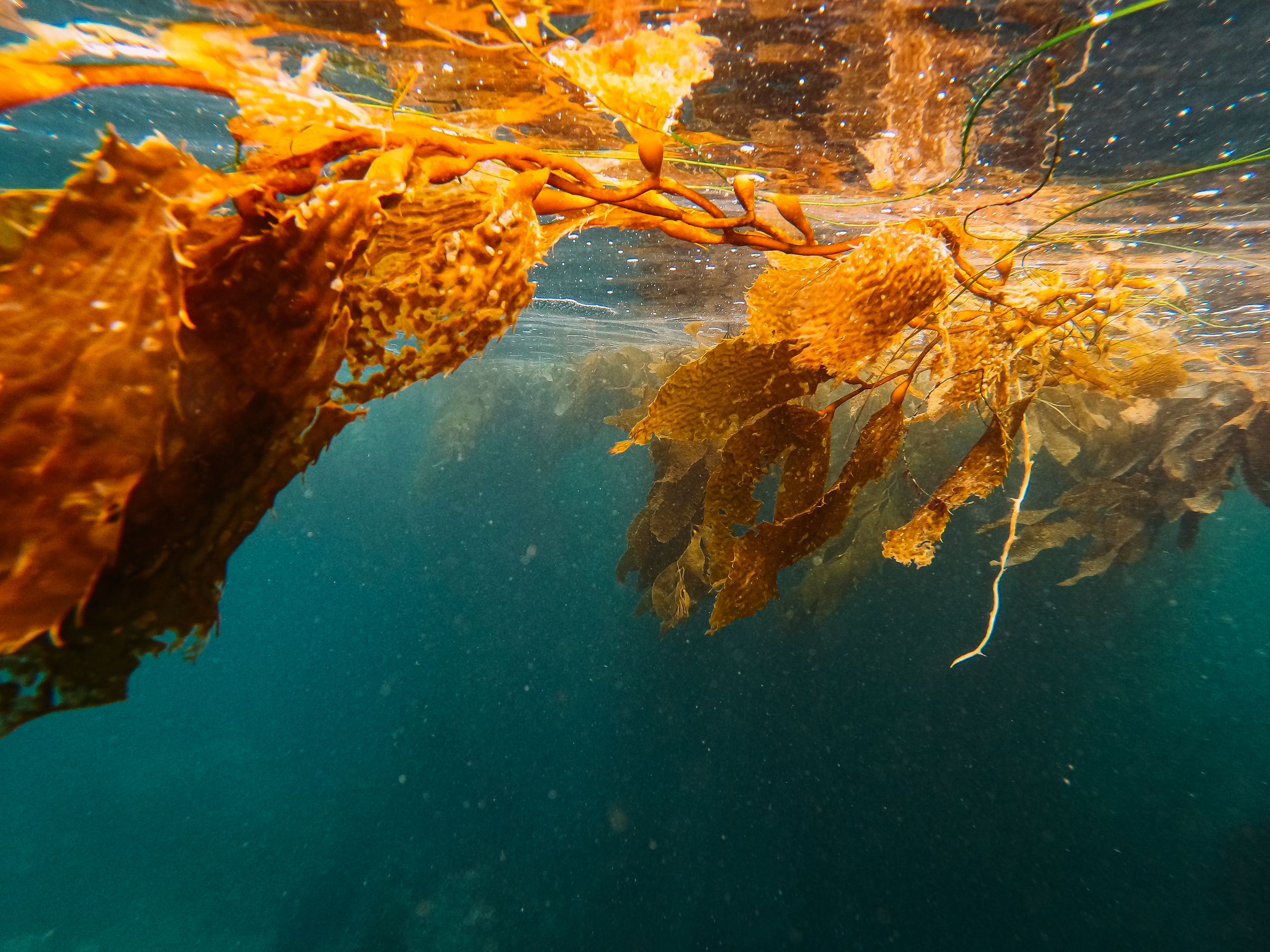 02
02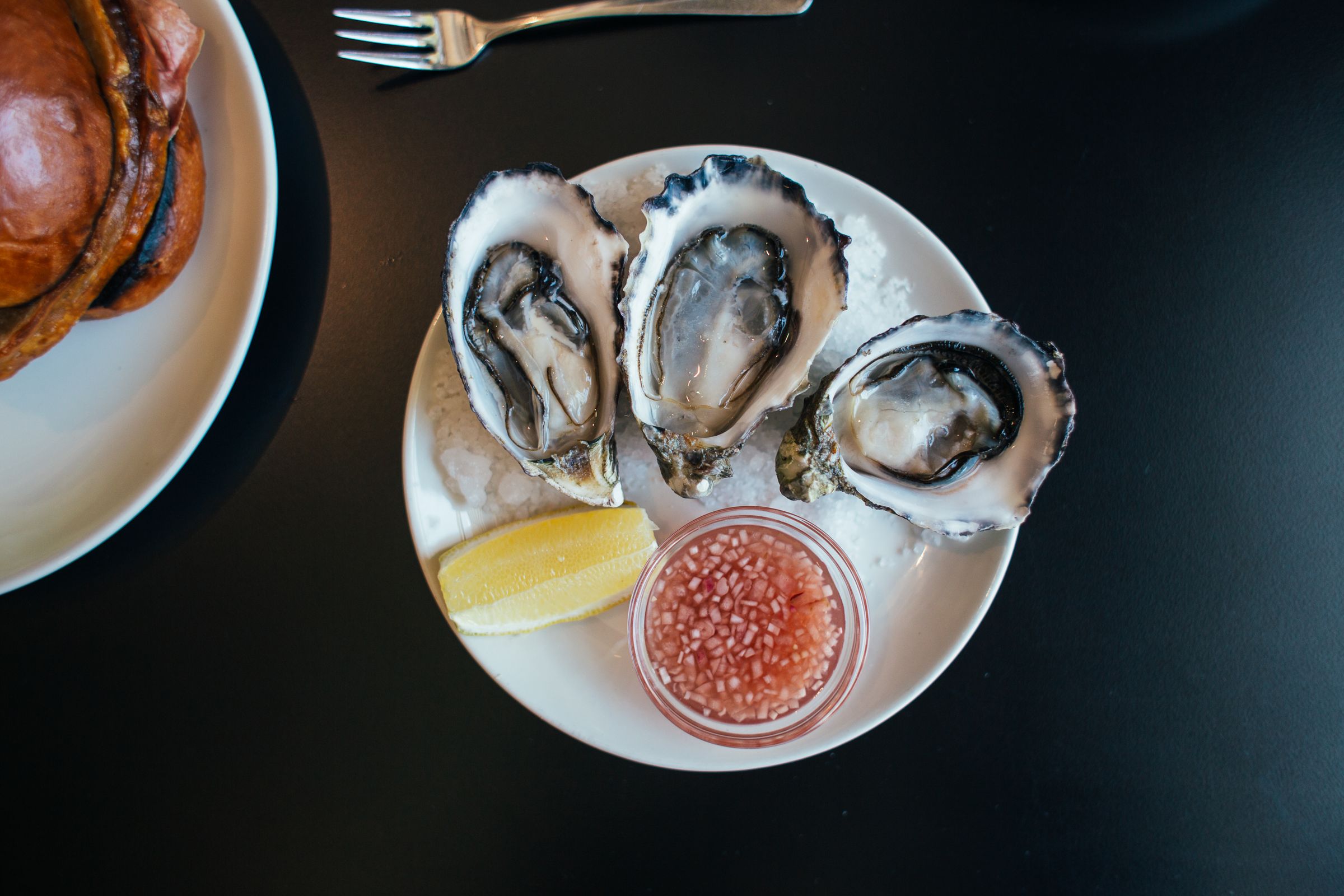 03
03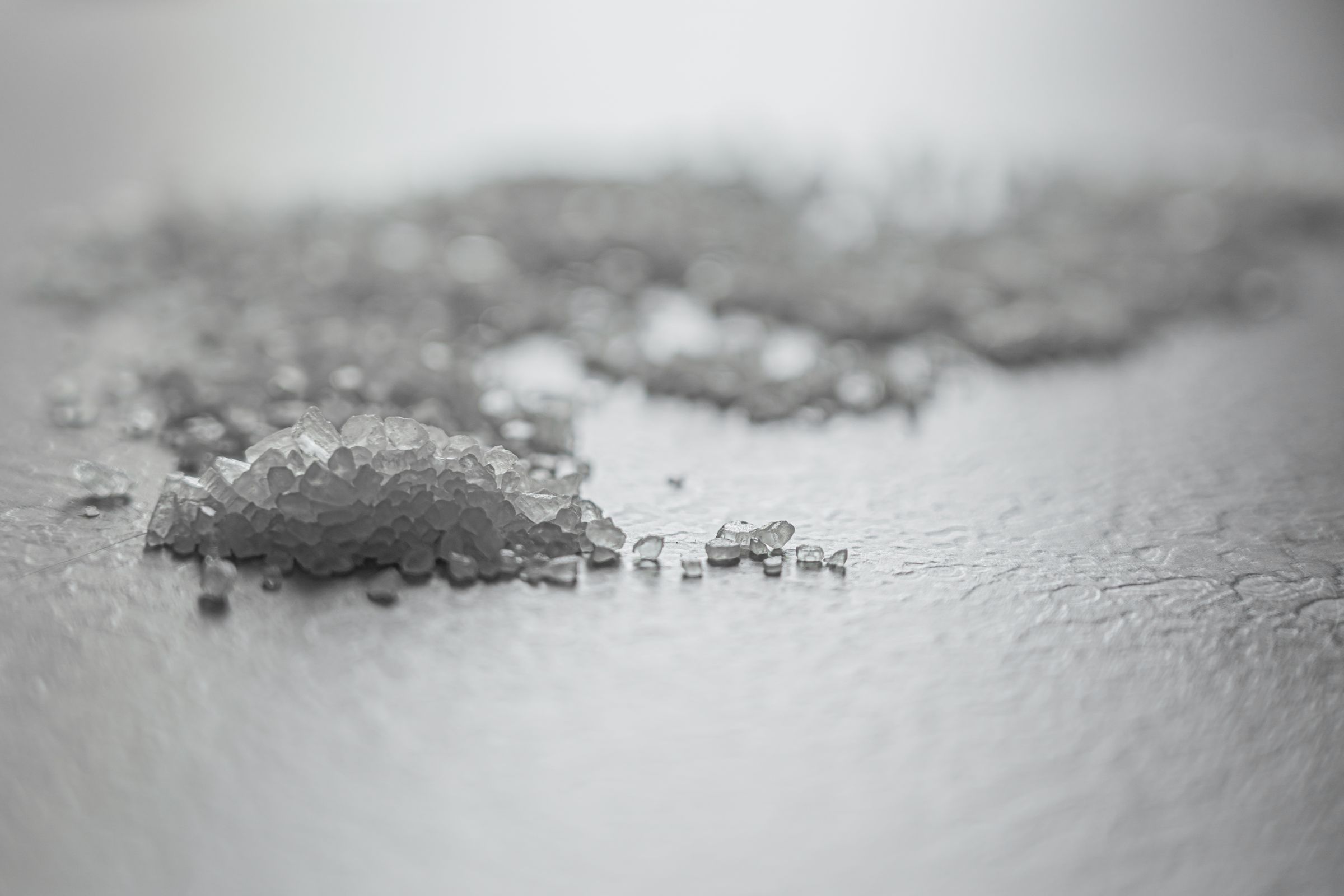 04
04
Chapter III · The flood
The flood sitting
Nine courses, served as the water comes in. Each course is called when the tide reaches its mark, so no two nights run to the same clock.
The water rises 1.2 to 5.6 metres over nine courses
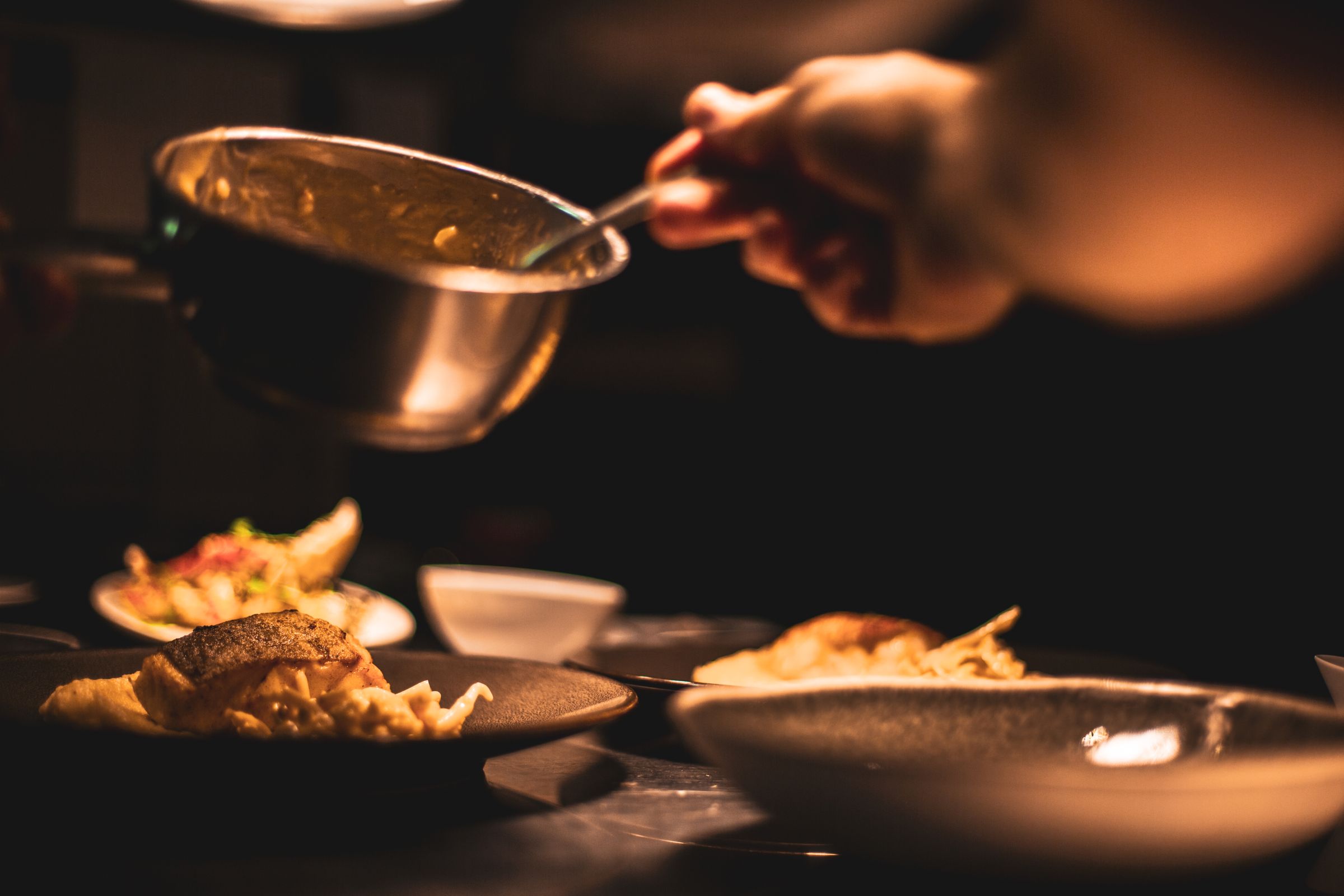 The pass, at the flood
- 19:301.2 MSalt and butterWarm crown loaf, whey butter, salt from the roof
- 19:551.7 MThe raw nativeOne oyster, cold from the bed, its own liquor
- 20:202.3 MSamphire and curdRock samphire, burnt cream, sea herb oil
- 20:503.0 MCrab, laid openBrown meat on dripping toast, white meat cold
- 21:153.8 MThe day boat fishWhatever was landed at the cove, over embers
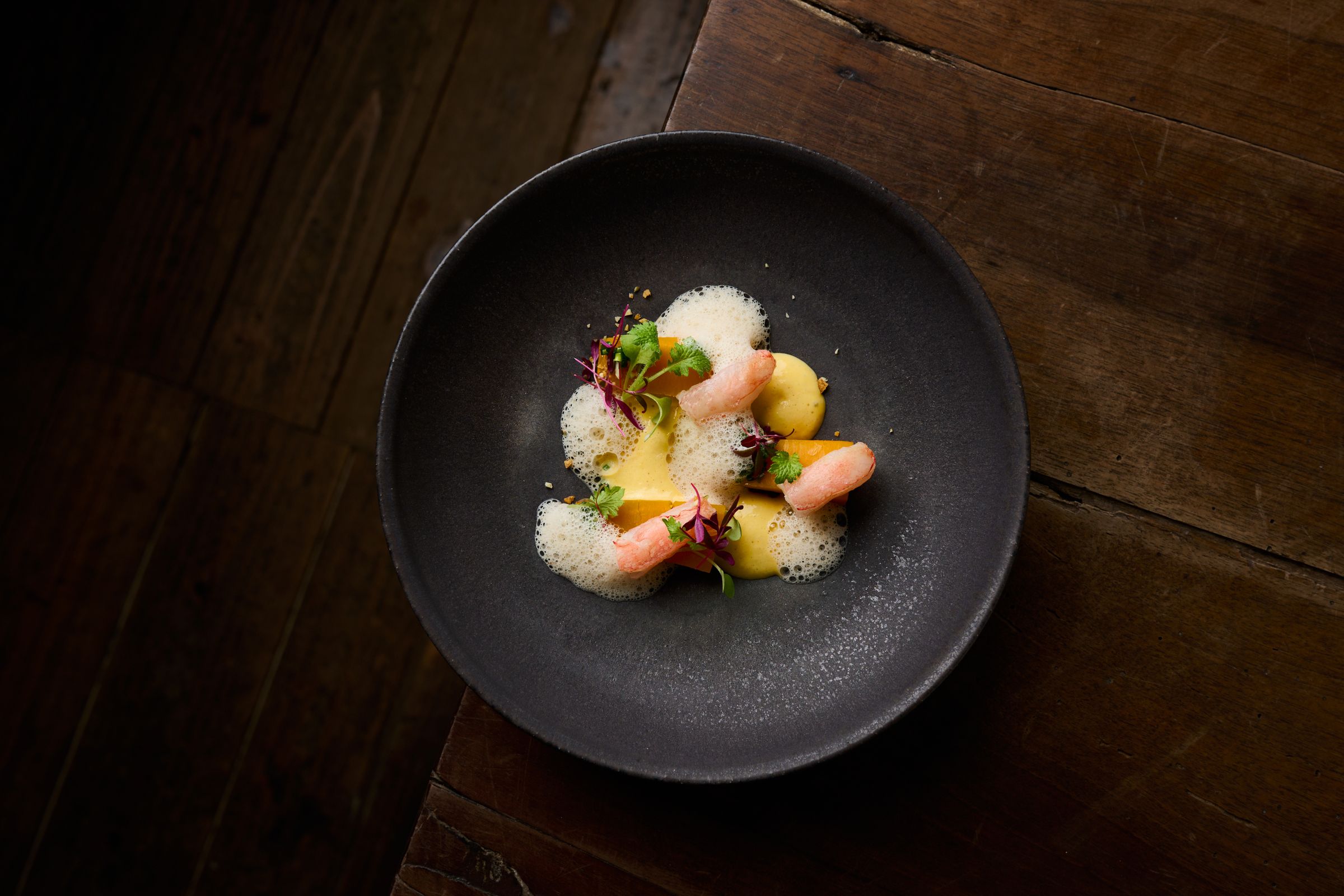 Course five, as the water turns
- 21:454.5 MKelp brothDeep stock of the dried cut, poured at the table
- 22:105.0 MSalt marsh lambAged over the pans, mutton fat, laver
- 22:405.4 MBay leaf and creamSet cream, oil of bay, sea buckthorn
- 23:055.6 MHigh waterDark chocolate, pan salt, one last pour
The sitting is fictional. In a real build this table is driven by the restaurant's actual menu and service.
Chapter IV · High water
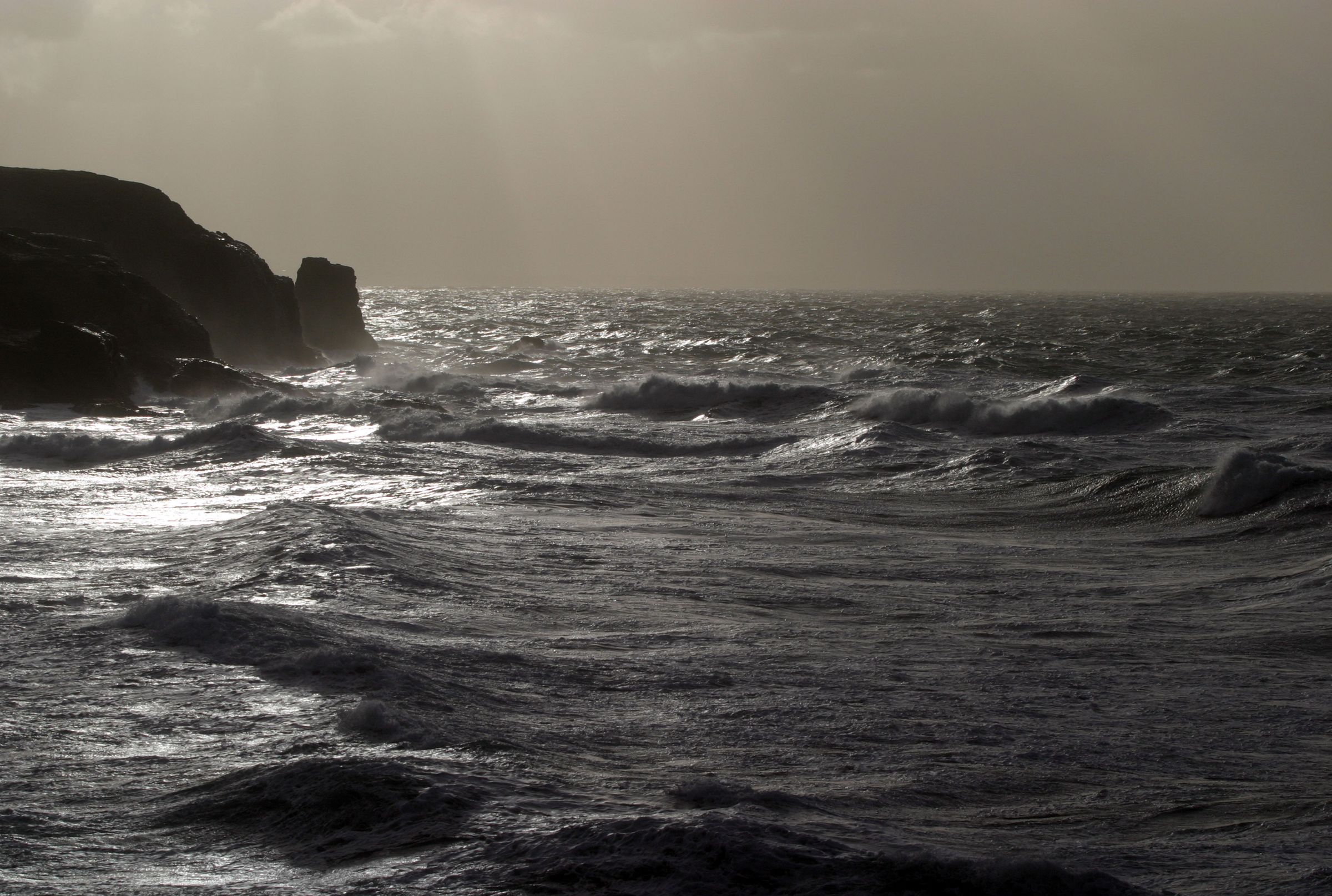
The room at high water
Chapter V · The ebb
Built where the salt was made
There were salt pans on this headland for four hundred years. Sea water was pumped to the roof, settled in slate beds, and given to the wind. What was left paid for the harbour below.
The pans are working again. The kitchen stands where the pan house stood, and everything served here is seasoned with what the roof still gives.
From the pansThe next sitting
Twelve seats are written into the book at each new moon.